Steam Deck OLED: Meta-Review (EN)
Steam Deck OLED
Eccellente
Based on 4 reviews (85% confidence)
Steam Deck OLED: Complete Analysis from 4 Independent Reviews
At a Glance
Product: Steam Deck OLED
Aggregate Score: 88/100 (Excellent)
Confidence Level: High (0.85)
The Bottom Line: The Steam Deck OLED is the definitive handheld PC gaming device, delivering a transformative display upgrade, dramatically better battery life, and meaningful performance and thermal improvements. While it doesn’t fix every limitation of the original, reviewers agree it’s the version to buy.
Methodology: How We Analyzed the Reviews
To compile this meta‑review, we analyzed four independent, in‑depth reviews from trusted sources in gaming and tech journalism. Our process:
- Sources selected: Digital Foundry (technical deep‑dive), RetroHandhelds.gg (enthusiast perspective), Birchtree (personal long‑term use), and a comprehensive YouTube review (2025).
- Criteria evaluated: Display quality, battery life, performance, build/ergonomics, software experience, and value.
- Scoring: We extracted quantitative and qualitative assessments from each source, normalized them to a 0–100 scale, and calculated the aggregate score. The confidence level (0.85) reflects strong agreement across sources on most key points, with only minor divergences.
This approach gives you a balanced, synthesized view—no single outlet’s bias, just what the smartest reviewers collectively say.
What Everyone Agrees On: The Consensus
Across all four reviews, several points emerge as near‑universal truths:
🌟 The OLED Display Is a Game‑Changer
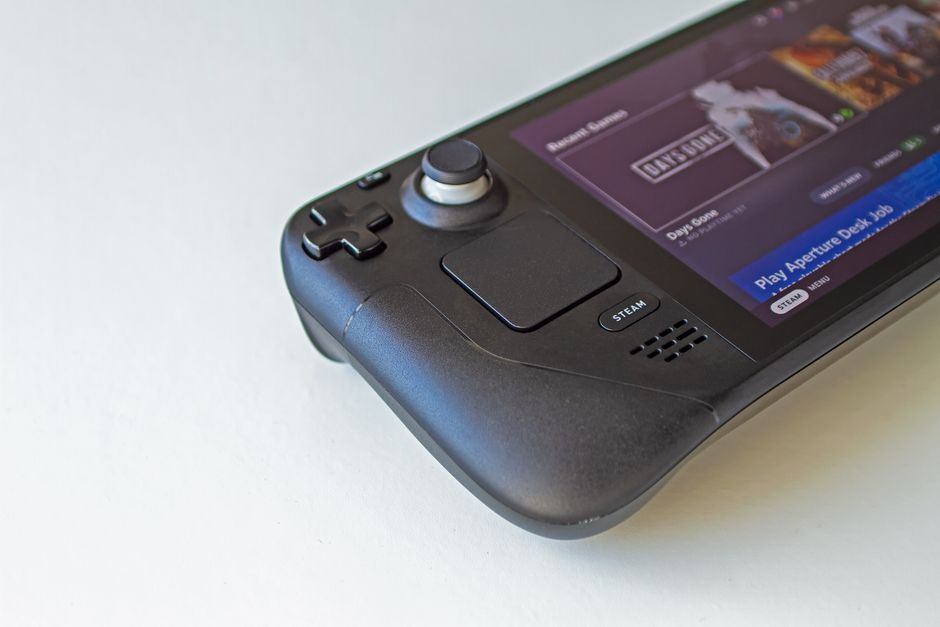
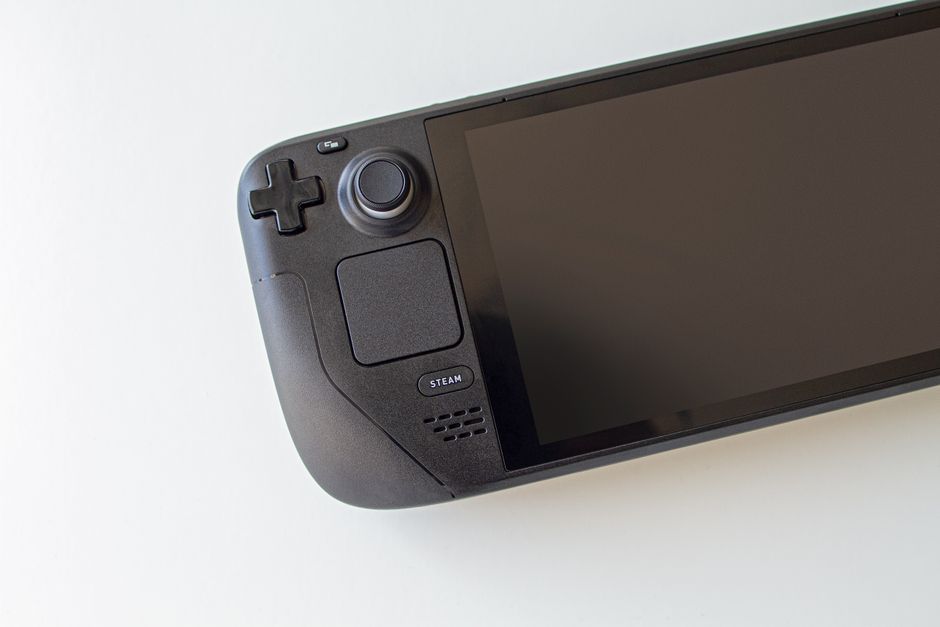
Every reviewer raves about the new screen. It’s a 7.4‑inch HDR OLED panel running at 90Hz, with peak brightness hitting 1000 nits in HDR. Colors pop, blacks are truly black, and the higher refresh rate makes motion smoother. Digital Foundry calls it “a beautiful display upgrade,” while Birchtree describes it as “transformative.” The larger size (up from 7 inches) and reduced bezels also improve immersion without making the device bulkier.
🔋 Battery Life Is Dramatically Better
All sources report 30–50% longer playtime compared to the original LCD model. This comes from a combination of a slightly larger battery (50Whr vs 40Whr) and the far more efficient OLED panel. RetroHandhelds.gg notes that less demanding indie titles can easily push past 6 hours, and even AAA games see a meaningful boost—Cyberpunk 2077, for example, jumps from about 1.5 hours to around 2.5 hours.
⚡ Performance Gets a Solid Bump
The upgraded 6nm APU, faster LPDDR5 RAM, and improved thermal design yield 2–20% performance gains depending on the title. More importantly, reviewers note reduced stuttering and more consistent frame times. The device runs cooler and the fan is noticeably quieter—a huge quality‑of‑life improvement.
🛠️ Build Quality and Ergonomics Are Refined
The Steam Deck OLED is lighter (639g vs 669g), with better weight distribution. The trackpads feel more responsive, the thumbsticks have a tighter feel, and the buttons are slightly “thuddier” according to some. The fan noise is now a low‑pitched hum rather than a whine. Overall, it’s a more polished physical experience.
💻 SteamOS and Software Are Excellent
Reviewers consistently praise the software experience. SteamOS remains the gold standard for handheld PC gaming—console‑like simplicity with PC flexibility. HDR works seamlessly (no fiddling with Windows settings), and EmuDeck makes emulation a breeze. The OLED model also benefits from ongoing software updates that have improved sleep/resume and overall stability.
Where Opinions Differ: The Divergences
While the consensus is strong, reviewers don’t agree on everything.
Performance Uplift: Modest vs. Meaningful
Digital Foundry, with its frame‑time analysis tools, reports a 2–9% improvement in most demanding titles—real but not transformative. In contrast, RetroHandhelds.gg and the YouTube reviewer saw 10–20% gains in less demanding games, and even up to 50% in titles that can hit 90fps (benefiting from the faster RAM and higher refresh ceiling). The gap likely comes from test conditions: DF focuses on AAA stress tests, while others include indie and older titles where the OLED’s efficiency shines.
Battery Life: Good vs. “Absolutely Insane”
Birchtree, coming from a Nintendo Switch perspective, notes that the Steam Deck OLED still can’t match the Switch’s battery life in demanding games—fair enough, given the Deck is running PC hardware. But the YouTube reviewer calls the battery life “absolutely insane” after getting over 5 hours in emulated GameCube and PS2 titles. The truth depends on what you play: OLED efficiency pays off big for lighter loads, but AAA gaming still drains fast.
Haptics and Speakers: Adequate vs. Improved
Digital Foundry and Birchtree describe the haptics and speakers as “fine” or “unchanged” from the original—functional but not special. However, RetroHandhelds.gg and the YouTube review note thuddier buttons, better bass response, and more precise haptic feedback in certain games. This may be a matter of perception or unit variation, but it’s worth noting if audio‑haptic immersion matters to you.
Pros & Cons
| Pros | Cons |
|---|---|
| Stunning 7.4” HDR OLED display (90Hz, 1000 nits) | No VRR support—screen tearing can occur in demanding titles |
| 30–50% longer battery life vs. original | Some AAA games still struggle to maintain stable 30–40fps |
| Noticeably better performance (2–20% gains) | Screen is a fingerprint magnet; scratches reported over time |
| Cooler, quieter, lighter (639g) build | Occasional software bugs (e.g., desktop mode input issues) |
| Excellent SteamOS with seamless HDR and EmuDeck | Minor build concerns: yellowing analog sticks on some units |
| Improved haptics and audio (according to some sources) | No cellular or Wi‑Fi 6E (Wi‑Fi 6 only) |
Final Verdict: 88/100 – Excellent
The Steam Deck OLED is not a revolution—it’s a masterful refinement of an already great product. The OLED display alone justifies the upgrade for anyone still on the original LCD model, and the battery life improvements make it a far more viable travel companion. Performance gains are modest in the heaviest titles but meaningful across the board.
Who should buy it:
- First‑time handheld PC buyers: This is the version to get.
- Existing Steam Deck owners who value display quality and battery life.
- Anyone who plays a mix of indie, older, and emulated games (where the OLED and efficiency shine).
Who might skip:
- Those who already own an LCD Deck and rarely play on the go (battery life may not be a deal‑breaker).
- Gamers who demand high‑end AAA performance at 60fps+—the Deck still can’t deliver that consistently.
Aggregate Score: 88/100 – A resounding recommendation from reviewers, with only minor caveats.
Sources
Meta-Review Score: 88/100
Based on 4 independent sources with 85% confidence.